모든 스토리
- Product
새로이 출시된 Tableau 10.1에는 더욱 많은 맵 데이터뿐만 아니라 JSON 데이터 지원 및 Marekto 연결 기능도 추가되었습니다.
 2016/11/02
많은 분이 아직도 Tableau 10에서 소개한 수십 가지의 새로운 기능을 열정적으로 탐색하고 있습니다. 이게 전부가 아닙니다. 여러 다양한 기능이 추가된 Tableau 10.1이 출시되었습니다. 새로운 커넥터와 더욱 풍부한 매핑 데이터, 그리고 강력한 API까지, 데이터 전문가로부터 개발자에 이르는 모든 분을 위한 것입니다. 중요한 기능 몇 가지를 소개하겠습니다.
2016/11/02
많은 분이 아직도 Tableau 10에서 소개한 수십 가지의 새로운 기능을 열정적으로 탐색하고 있습니다. 이게 전부가 아닙니다. 여러 다양한 기능이 추가된 Tableau 10.1이 출시되었습니다. 새로운 커넥터와 더욱 풍부한 매핑 데이터, 그리고 강력한 API까지, 데이터 전문가로부터 개발자에 이르는 모든 분을 위한 것입니다. 중요한 기능 몇 가지를 소개하겠습니다. 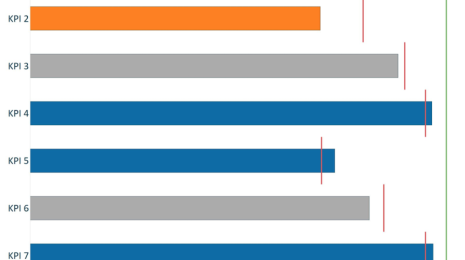 Visualizations
How to make pace charts in Tableau
Pace charts are an alternative bullet graph design that normalize progress to goal visualizations across KPIs, even if the KPIs have different data formats, scales, and/or seasonal trends. They are useful for providing an apples-to-apples, pace-to-goal comparison in businesses that have KPIs that span different categories such as revenue, social media followers, attendance, etc.
 Data
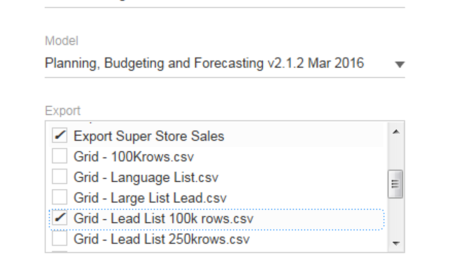
DataConnect directly to your Anaplan data in Tableau
We are excited to share we’ve added a direct connection to Anaplan from Tableau.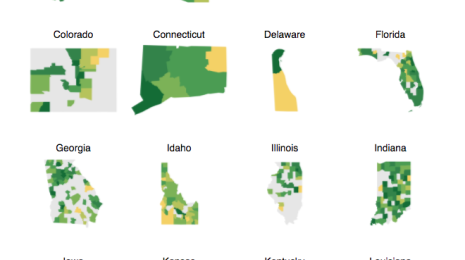 Developer
How to auto-generate 50 state maps in Tableau
Recently I fell in love with the small-multiples types of graphs that show each individual state level metrics separated into a grid-style layout. Being the data hacker that I am, I decided to use my rusty JavaScript skills to auto-generate 50 individual state-level maps from one Tableau viz.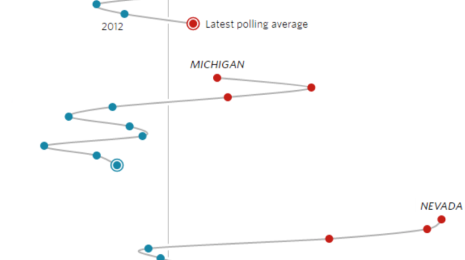 Visualizations
6 data-viz tips from election vizzes in the media
 2016/10/27
Elections are exciting times for the data visualization and data journalism field. The innovations in each election cycle set the trend for the future of the field.
2016/10/27
Elections are exciting times for the data visualization and data journalism field. The innovations in each election cycle set the trend for the future of the field.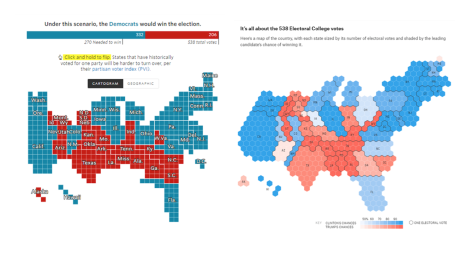
 Tableau Community
Find your mentor match in the Tableau community
Mentoring is such a great way to learn for both the mentor and the mentee. Through this relationship, we provide counsel and help each other grow. This can work almost any way you’d like. It can be formal (assigned) or informal (unassigned). It can be short or long-term.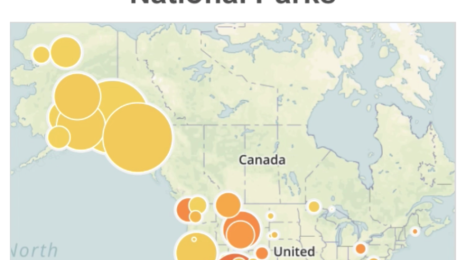 Mobile
Why a mobile data visualization isn't just a small viz
We’re not going to talk mobile dashboards; we’re talking about mobile users and how to design for them. Here are three things to keep in mind about mobile users.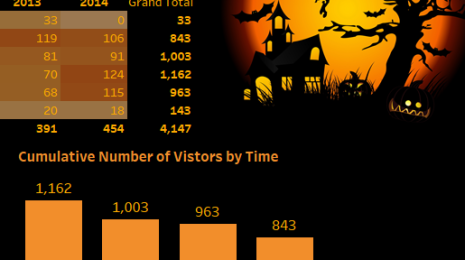 Tableau Community
#HalloweenViz exercise: Viz this data, get Tableau swag
I have lived in my house for 14 years. And every Halloween, I get inundated with trick-or-treaters. Year after year, it's like Willy Wonka's Chocolate Factory at my house, with candy flying out the door. Now, being a data guy, what do I do? Well, that's simple—I count them.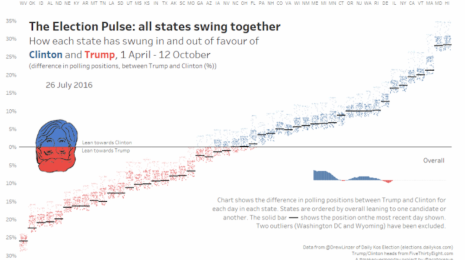
 Developer
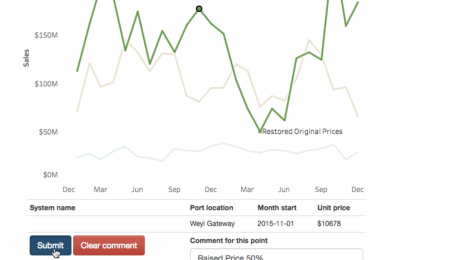
Leverage Tableau's getData() API feature to add commenting to your viz
When working with clients, the most sought-after requirement is to extend collaboration capabilities with cross-device data annotation and database write-back features. We leverage Tableau 10's feature-rich APIs to handle that request.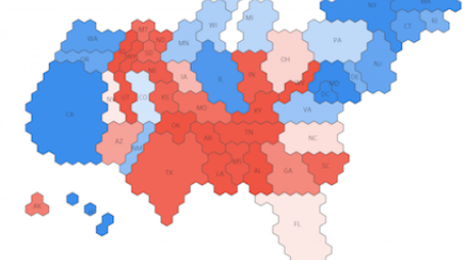 Visualizations
How to create an electoral-college cartogram in Tableau
A lot of my previous work has been centered around custom maps or mapping techniques within Tableau. I've always been fascinated with FiveThirtyEight's custom electoral-college cartogram used in its 2016 election forecast. This type of cartogram was created in response to critiques about the use of geographic maps to show election data. So here's how I did it in Tableau.